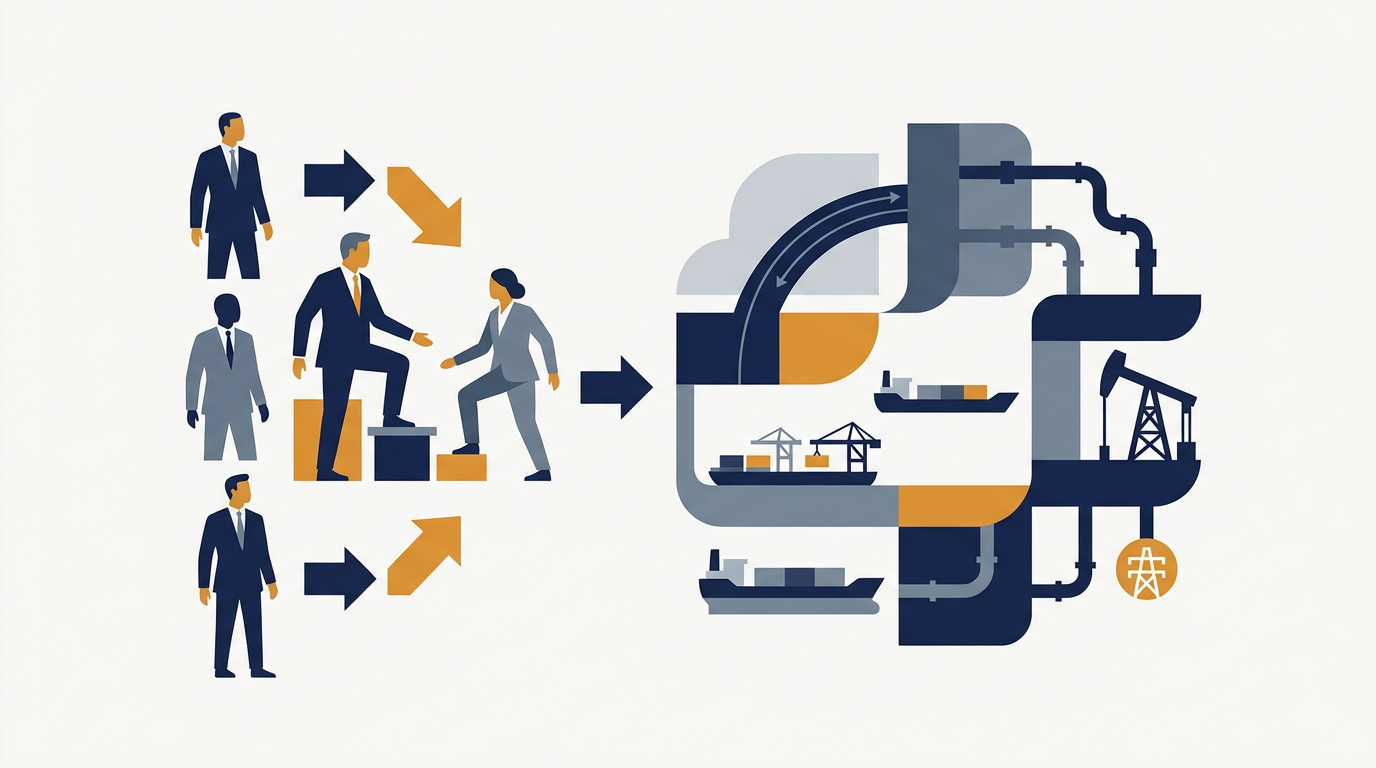
Alkagesta's assessment of commodity trading in Ukraine in 2026 puts execution ahead of price discovery: the constraint is whether cargo can be moved, insured and paid for, not what it is worth.
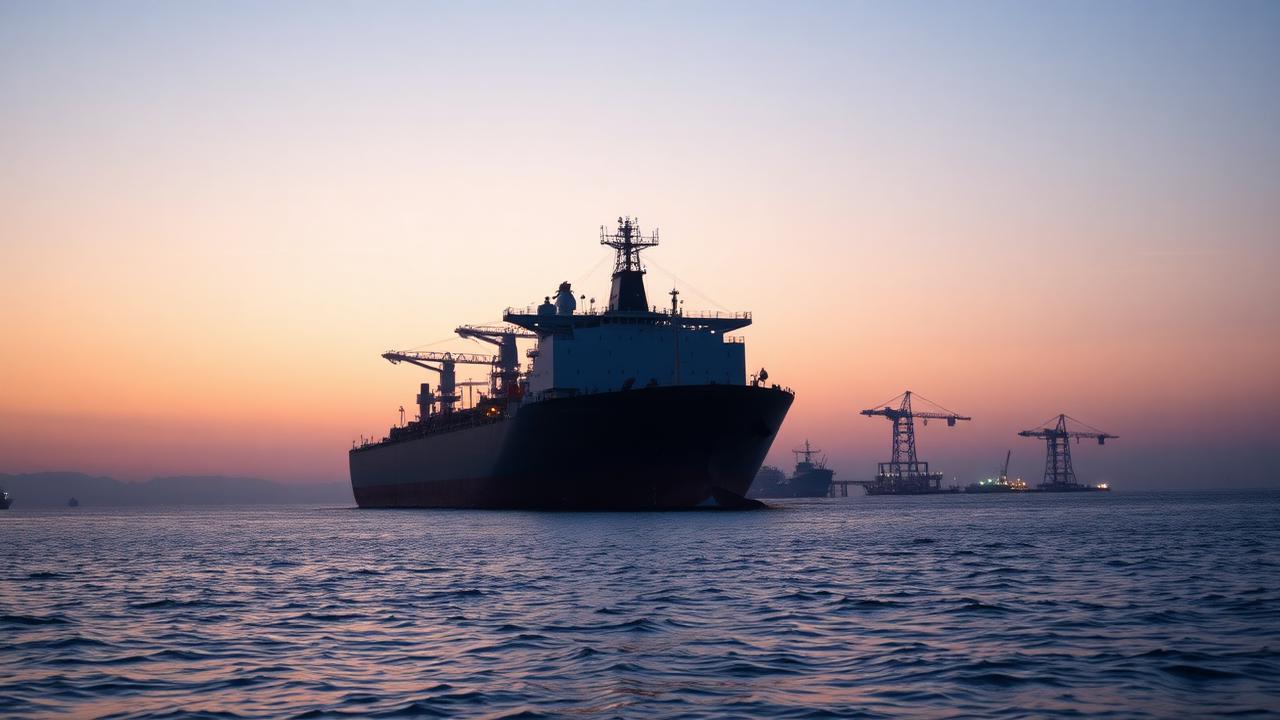
Black Sea corridor capacity has recovered from its lows, but it operates under conditions that change with the security picture. Vessel availability depends on war-risk cover, and cover depends on route, port and cargo.
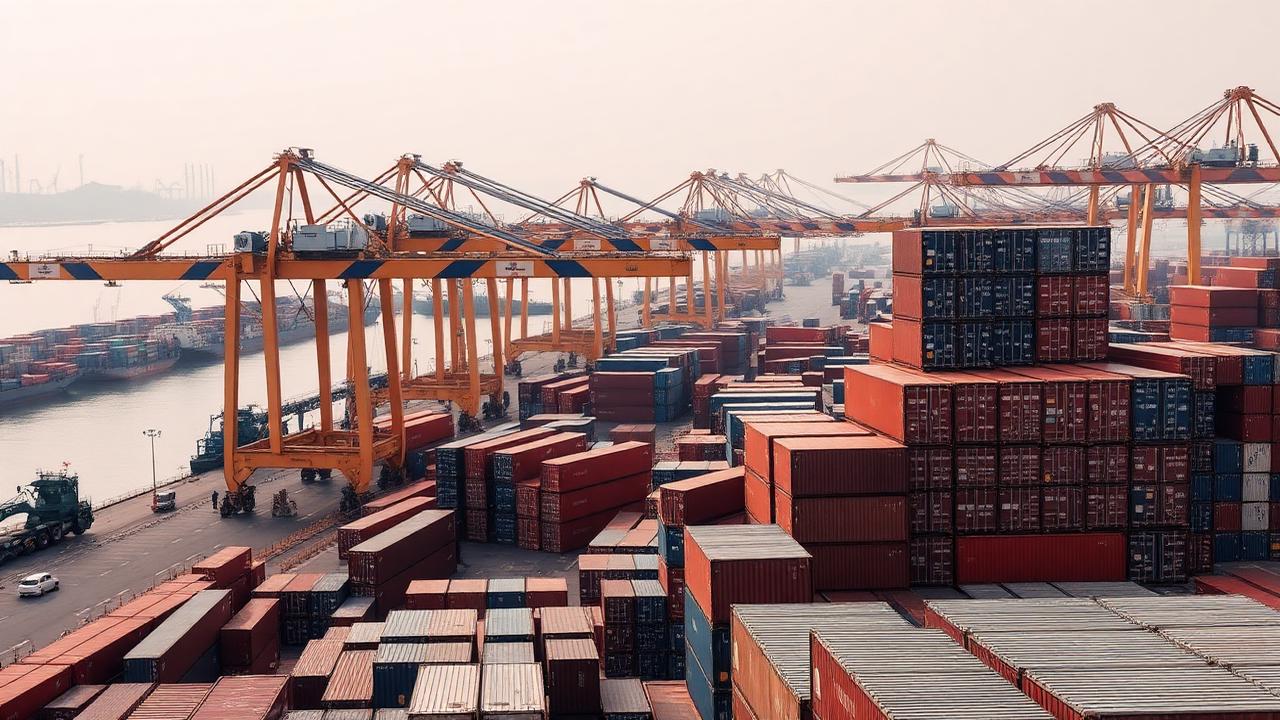
Inland logistics carry the rest of the load. Rail gauge changes at the western border, limited river capacity and damaged storage all shape how much volume can be staged before a loading window opens.
Payment and compliance add a further filter. Banks apply enhanced screening to Ukrainian and adjacent flows, which lengthens documentary timelines and rewards traders with established correspondent relationships.
The conclusion is that market share in the region accrues to counterparties who can absorb operational risk, not those quoting the sharpest price.