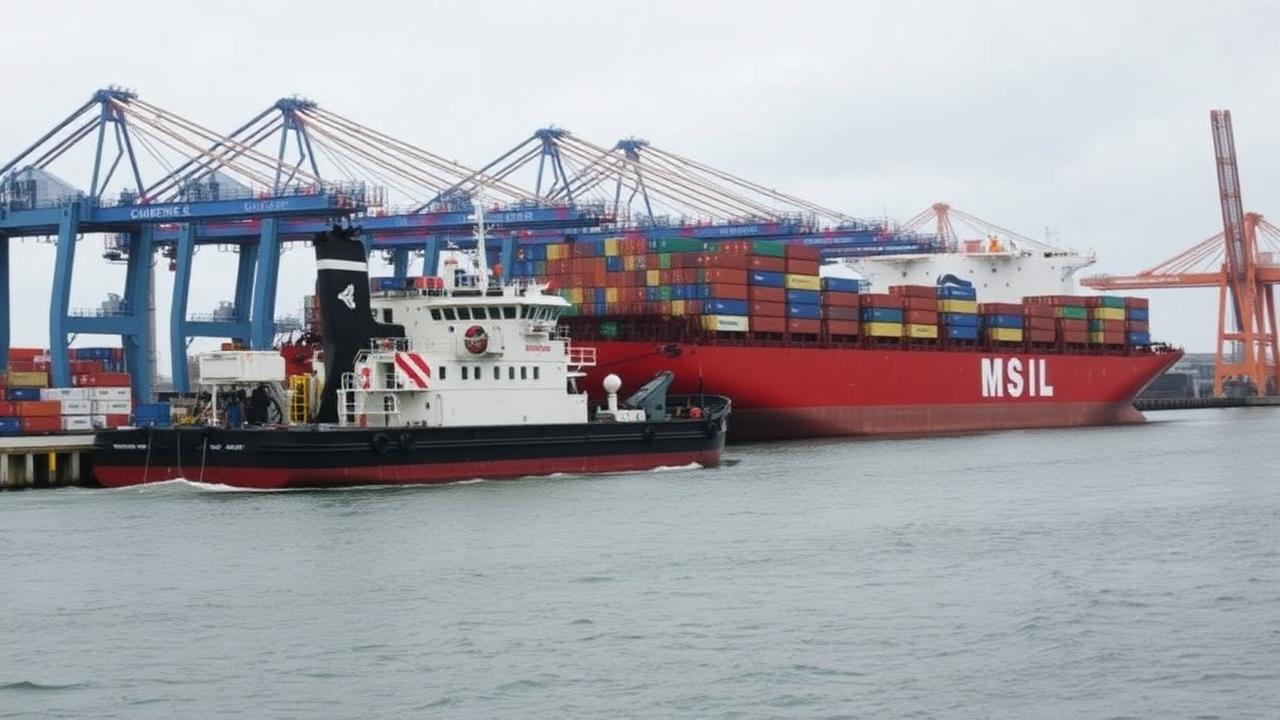
Alkagesta's 2025 ESG report details how the trader measures and reports emissions across its own operations and the cargoes it moves, alongside the compliance framework supporting its carbon desk.
Scope 3 remains the difficult number for any trading house, since the bulk of emissions sit in fuels sold rather than offices occupied. The report sets out the methodology used to attribute those emissions and the data gaps that remain.
Used cooking oil collection is presented as the most tangible circular activity, feeding biodiesel and marine biofuel blending where feedstock traceability is now subject to closer regulatory scrutiny in Europe.
The report also covers counterparty due diligence, sanctions screening and vessel vetting, which increasingly sit inside the same governance function as environmental reporting.
For buyers, the value of such disclosure is practical: charterers and industrial consumers now request supplier ESG documentation as part of tender qualification.