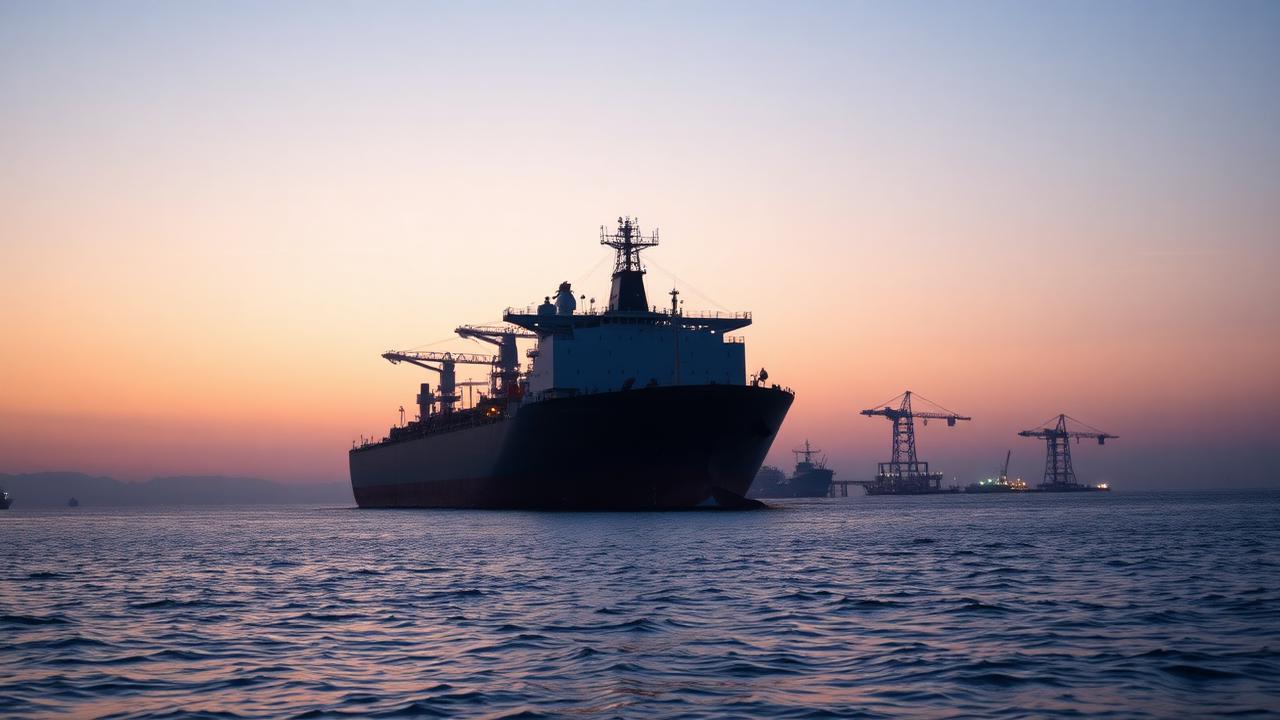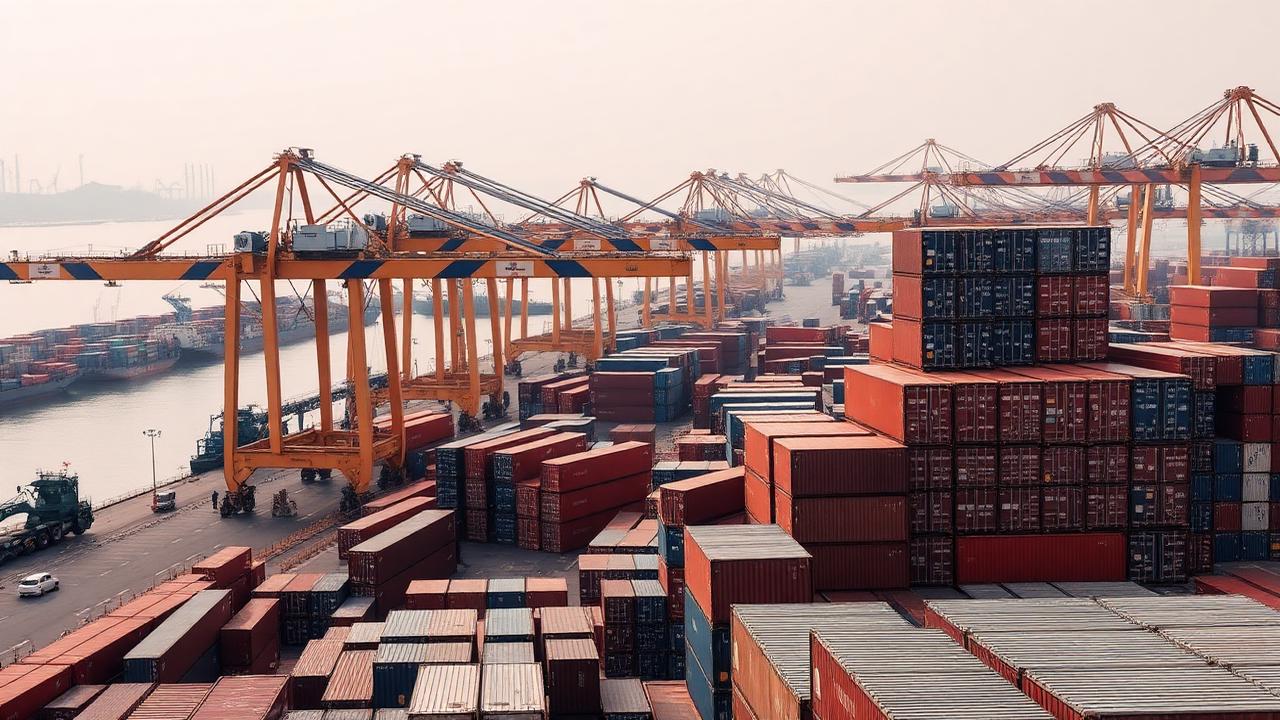
With jet fuel supply in Europe exposed by the closure of the Strait of Hormuz, commodity trader Alkagesta has described how access to a Cold War-era pipeline network allowed it to step into the aviation market and keep aircraft fuelled.
Asad Huseynov, Alkagesta's managing director of investments and assets, told The National that the company went through a lengthy approval process, including presenting a detailed business plan, to gain access to the NATO Central Europe Pipeline System. The route gives suppliers a way to move jet fuel into European airports independently of the most exposed seaborne flows.
The opening came from demand rather than strategy. "In one of the airports, one of the airlines reached out to us and said my current supplier says he's short of jet fuel, he cannot supply to me, can you find me jet fuel," Huseynov said. "We managed to find him fuel at the volume that he needed." The company now holds contracts with two holiday airline operators, which it declined to name.
Alkagesta buys jet fuel from refinery suppliers in northwest Europe, including Exxon, Vitol and Petroineos, relationships it says go back many years. It expects to trade about 100,000 tonnes of jet fuel this year and plans to increase annual sales several times over, taking the view that European jet demand will hold steady even as the continent shifts toward renewable energy.
The wider supply picture has since eased. Higher regional refinery output, stock draws and imports from the United States and Nigeria have offset the loss of Middle Eastern barrels, and carriers including Air France-KLM and Lufthansa have said their summer supply is secure across their main European hubs.