Oil markets are carrying a persistent Strait of Hormuz risk premium even in weeks when no cargo is actually delayed, Alkagesta chief executive Orkhan Rustamov argued in comments to City A.M.
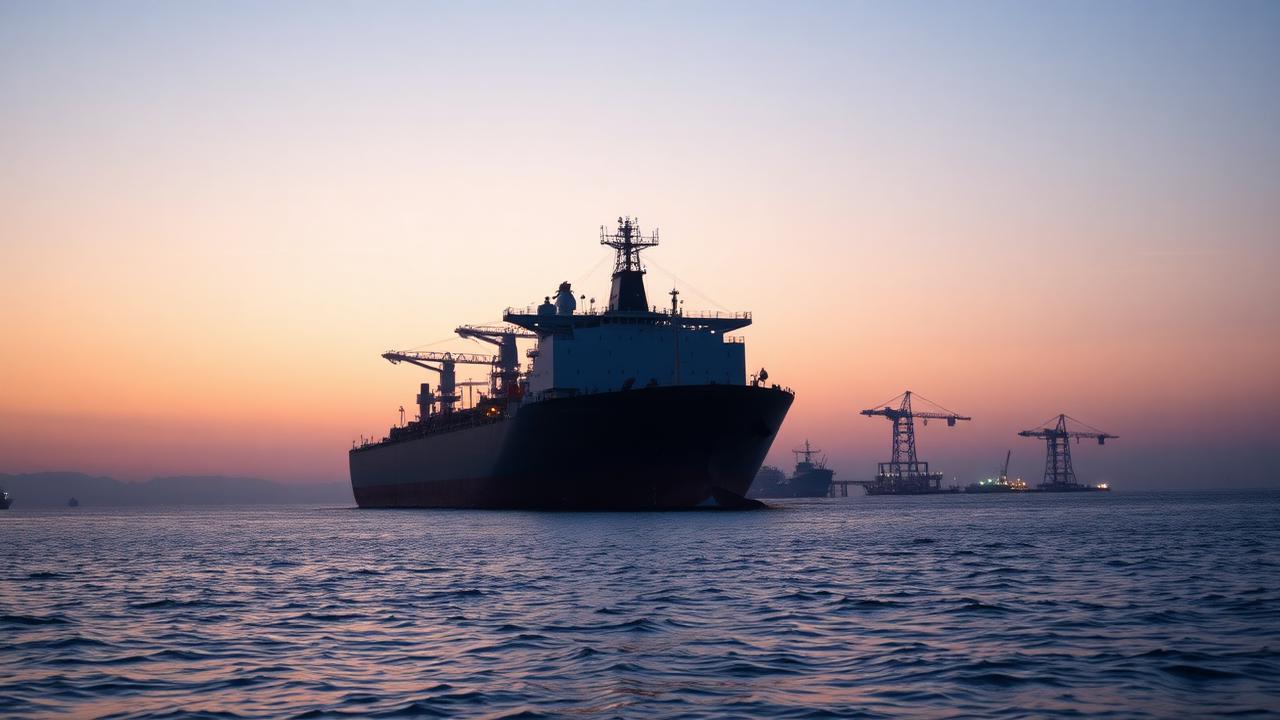
Around a fifth of the world's seaborne oil trade passes through the strait, and there is no route of comparable scale around it. That asymmetry means the market prices the consequence of closure, however low the probability, into every prompt barrel east of Suez.
Freight and insurance are where the premium shows up first. War-risk cover and crew terms move faster than crude flat price, and charterers pay for tonnage that owners are willing to send through the corridor.
For buyers, the practical hedge is diversification of loading points rather than paper protection alone, because the exposure is logistical as much as it is financial.
The comments follow a period of heightened naval activity in the Gulf that has kept the premium embedded in forward structure.