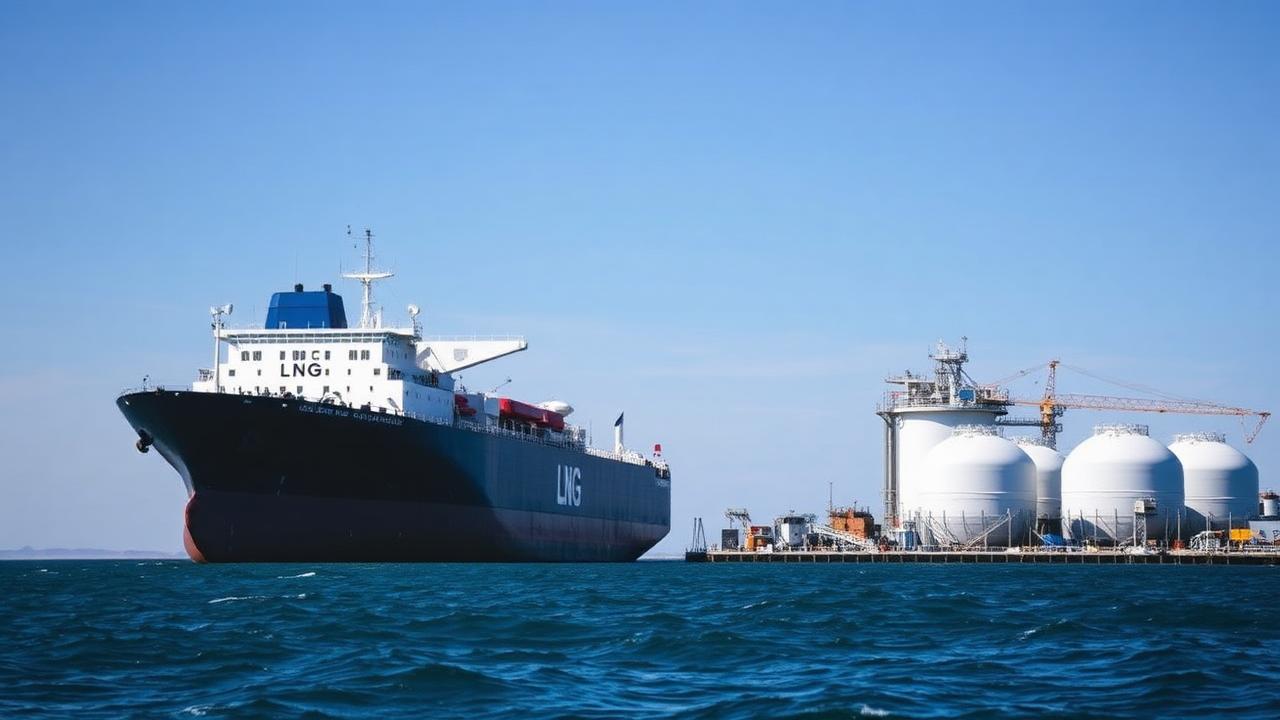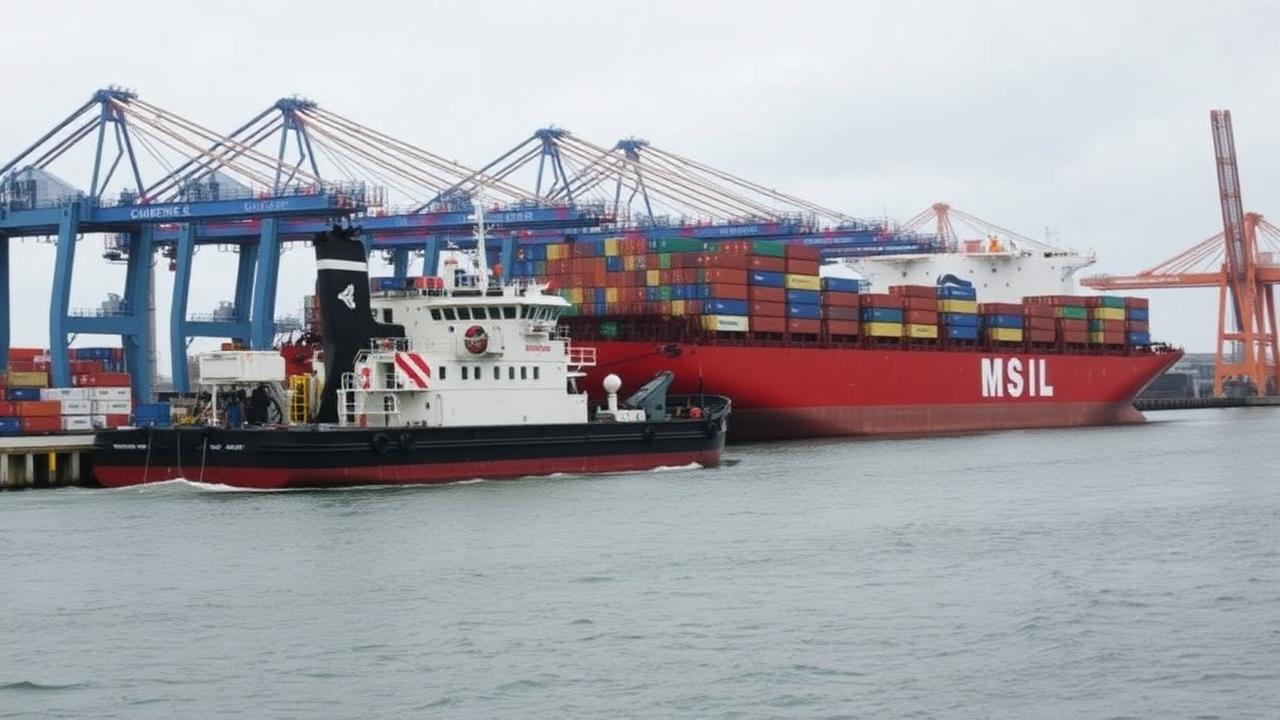
Singapore used the opening of Sibcon 2026, the world's largest bunkering conference, to set out a strategy built around fuel optionality rather than a single winning alternative to conventional marine fuel oil.
Senior Minister of State for Law and Transport Murali Pillai told more than 2,000 delegates from over 60 countries that the city-state is preparing standards, infrastructure and operational capability for several fuel pathways in parallel, so shipowners have credible choices as demand develops.
The centrepiece announcement was Technical Reference 148, a new code of practice for ammonia bunkering developed with Enterprise Singapore through the Singapore Standards Council. It covers safety, bunkering procedures, custody transfer and personnel competencies, and will be validated through trials under the Singapore-Australia Green and Digital Shipping Corridor with the Pilbara Ports Authority.
MPA also launched a new Singapore Standard for bunker sampling of ambient liquid fuels and a technical reference for testing polymers in residual-based marine fuels, part of a broader push to strengthen trust and quality assurance in bunker transactions.
Digitalisation featured prominently, with the next phase of digital bunkering intended to make deliveries more efficient and disputes easier to resolve. A new grant scheme, EASE, will support the adoption of electric harbour craft as Singapore works towards decarbonising its domestic fleet by 2030.
The multi-fuel approach mirrors how trading houses such as Alkagesta have been structuring their shipping and logistics operations around flexibility across fuel types and trade routes, rather than committing to a single decarbonisation pathway.
Sibcon 2026 runs from 13 to 15 October at Resorts World Sentosa under the theme Charting a Resilient Multi-Fuel Future, with more than 80 speakers across the three-day programme.