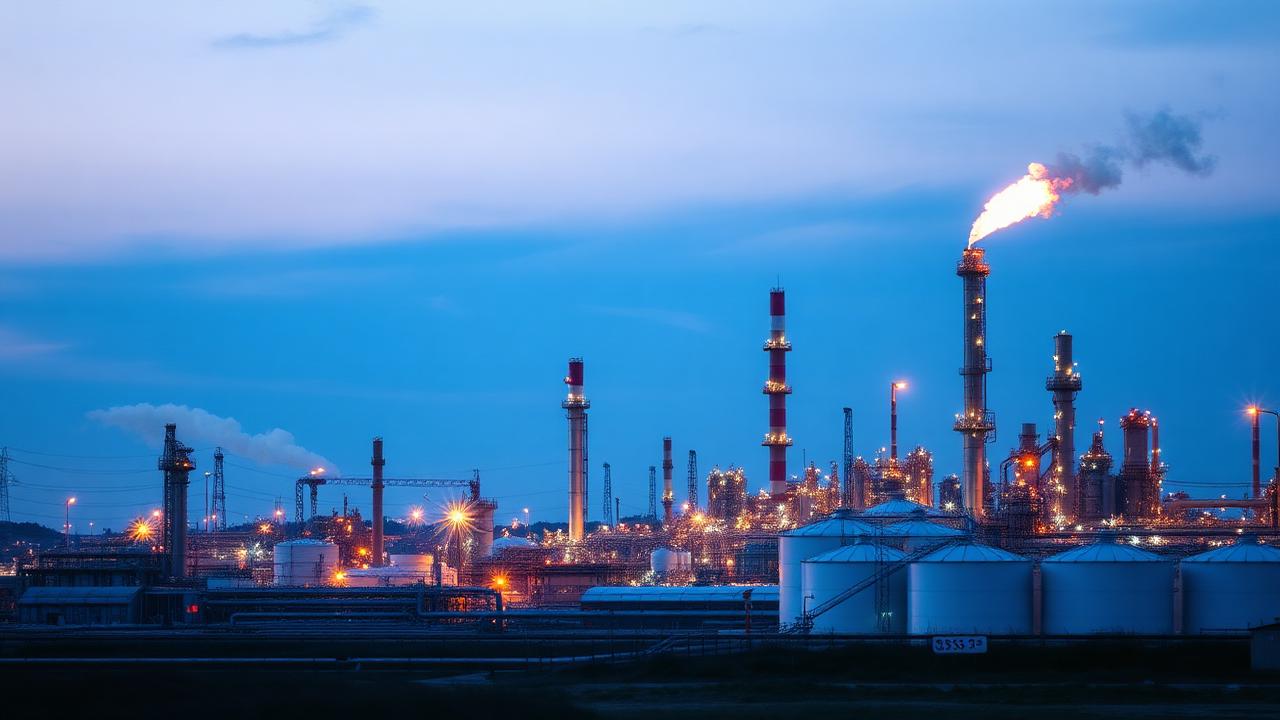
Europe enters the second half of 2026 with a structurally tighter gasoil balance, according to Alkagesta's market outlook, which points to closed refining capacity that has not been replaced and import routes that are longer and more expensive than they were three years ago.
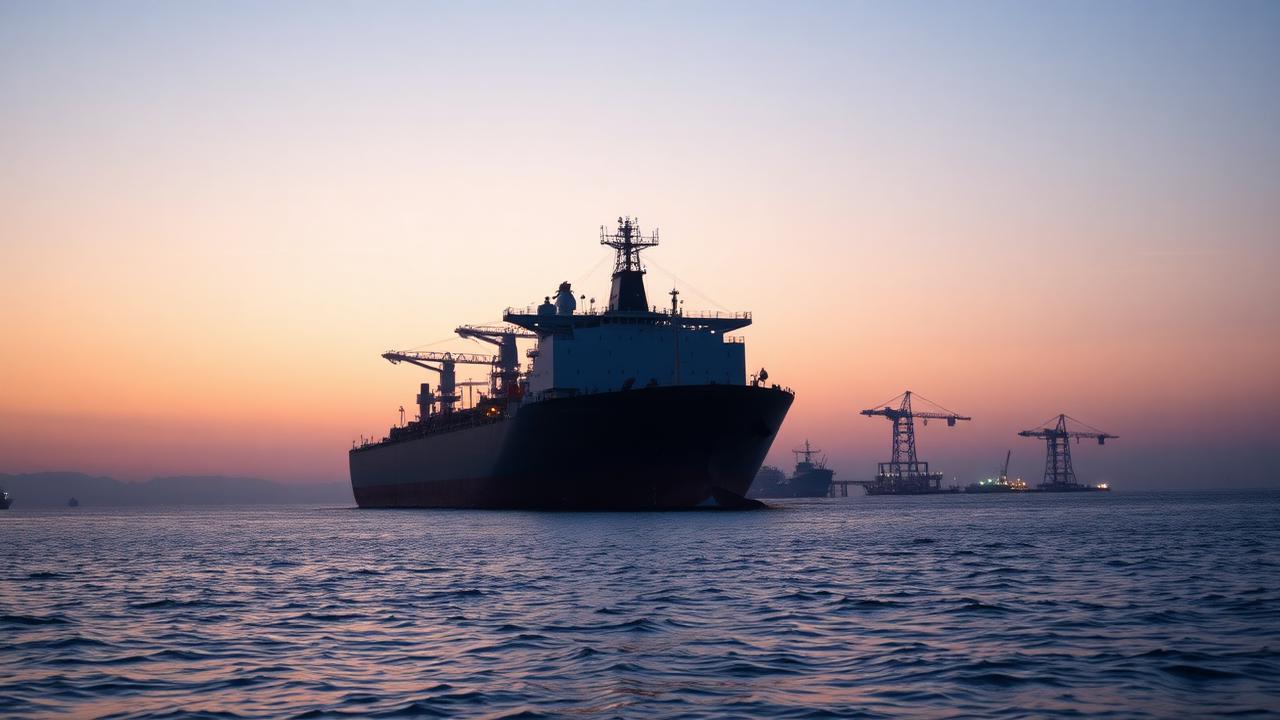
The region now leans on Middle Eastern and Indian barrels to cover the gap. That lengthens the supply chain, raises freight exposure and makes each disruption in the Red Sea corridor a direct input into European delivered prices.
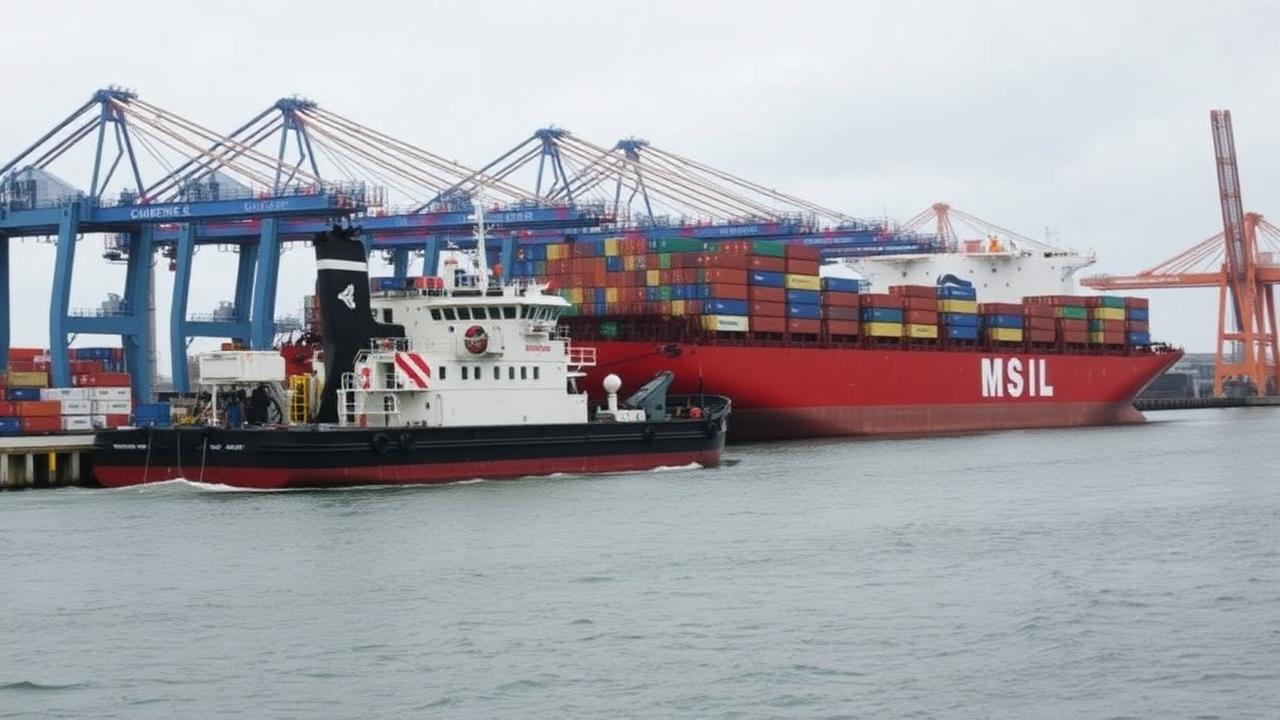
Inland distribution is the second constraint. Barge availability on the Rhine and Danube governs whether cargoes landed at ARA actually reach consumers, and low water repeatedly turns a comfortable seaborne balance into a regional shortage.
Buyers have responded by lengthening term cover and paying up for delivered rather than free-on-board terms, shifting logistics risk to suppliers with barge and storage positions.
The outlook expects backwardation to persist in the prompt structure while stocks stay below the five-year range.