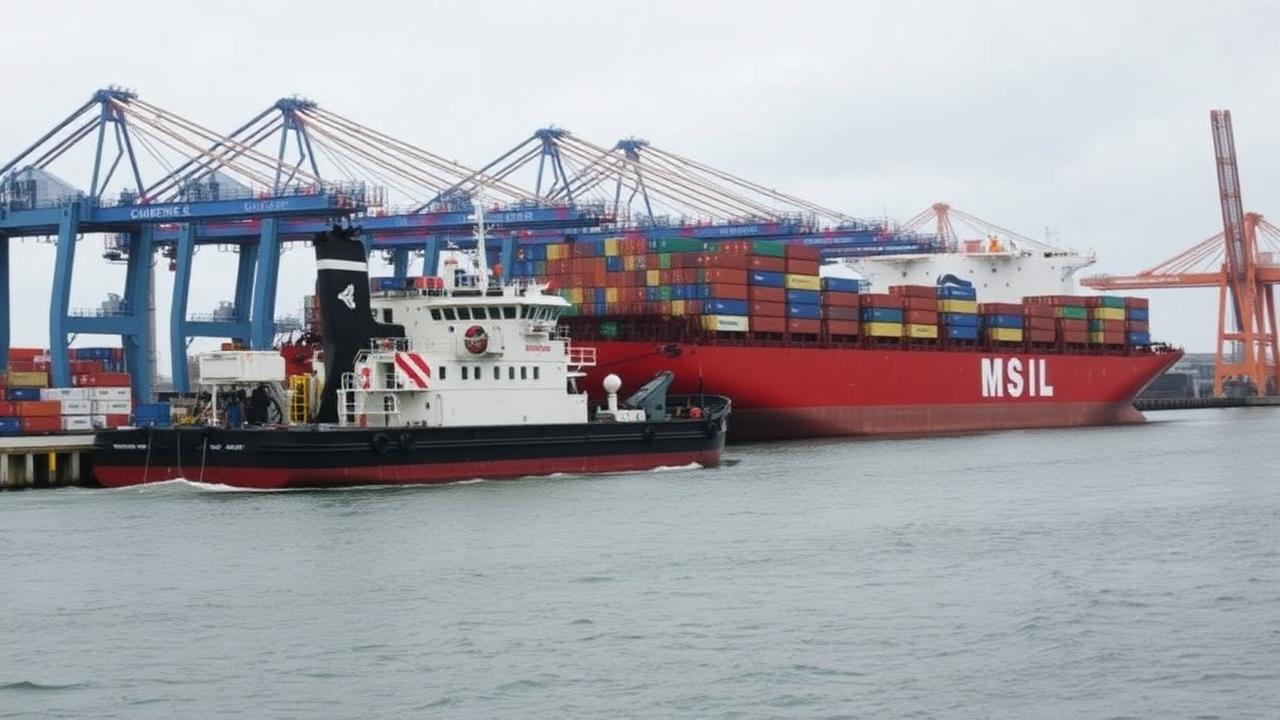
Malta-based commodity trading house Alkagesta has set out how two simultaneous logistical crises tightened prompt fuel availability in August, describing conditions on Europe's inland distribution network as a state of emergency. The assessment, published on the company's market insights channel on 11 August, was drawn from its trading and market intelligence teams.
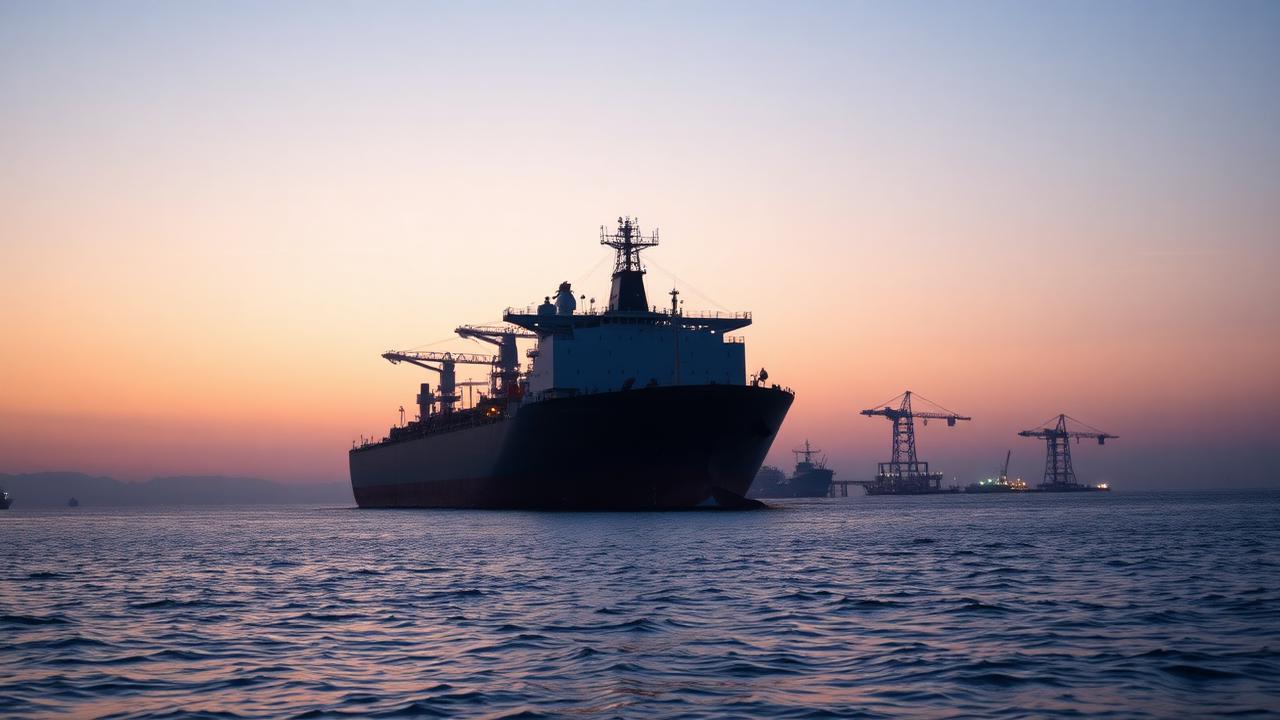
Transits through the Strait of Hormuz fell to a near one-month low of 13 ships on 9 August following an attack on an ADNOC-linked tanker, with both Washington and Tehran demanding war reparations before any reopening agreement can be reached. At the same time, Rhine water levels at the Kaub choke point fell to 16 centimetres on 10 August — the lowest since records began in 1880 — with forecasts pointing to a further drop to as little as 4 centimetres, effectively halting barge traffic and trapping fuel oil stocks at the ARA hub.
The supply picture across the main pricing hubs deteriorated sharply. In Singapore, Middle Eastern fuel oil imports nearly tripled week on week to 328,878 tonnes by 29 July, the highest volume since March, helping lift onshore commercial heavy distillate stocks to a five-week high of 19.58 million barrels by 5 August.
Demand, however, moved the other way. July bunker sales in Singapore are estimated to have fallen 3.7% month on month to 4.44 million tonnes, with elevated premiums pushing prompt demand toward alternative ports including Zhoushan and Port Klang.
For buyers, the message from the trader is that choke-point risk is no longer a background variable but the main driver of prompt differentials, and that flexible storage and multi-hub supply arrangements are the practical hedge while both constraints persist.